Food
Dessert Buffer: A Sweet Revolution in Event Catering

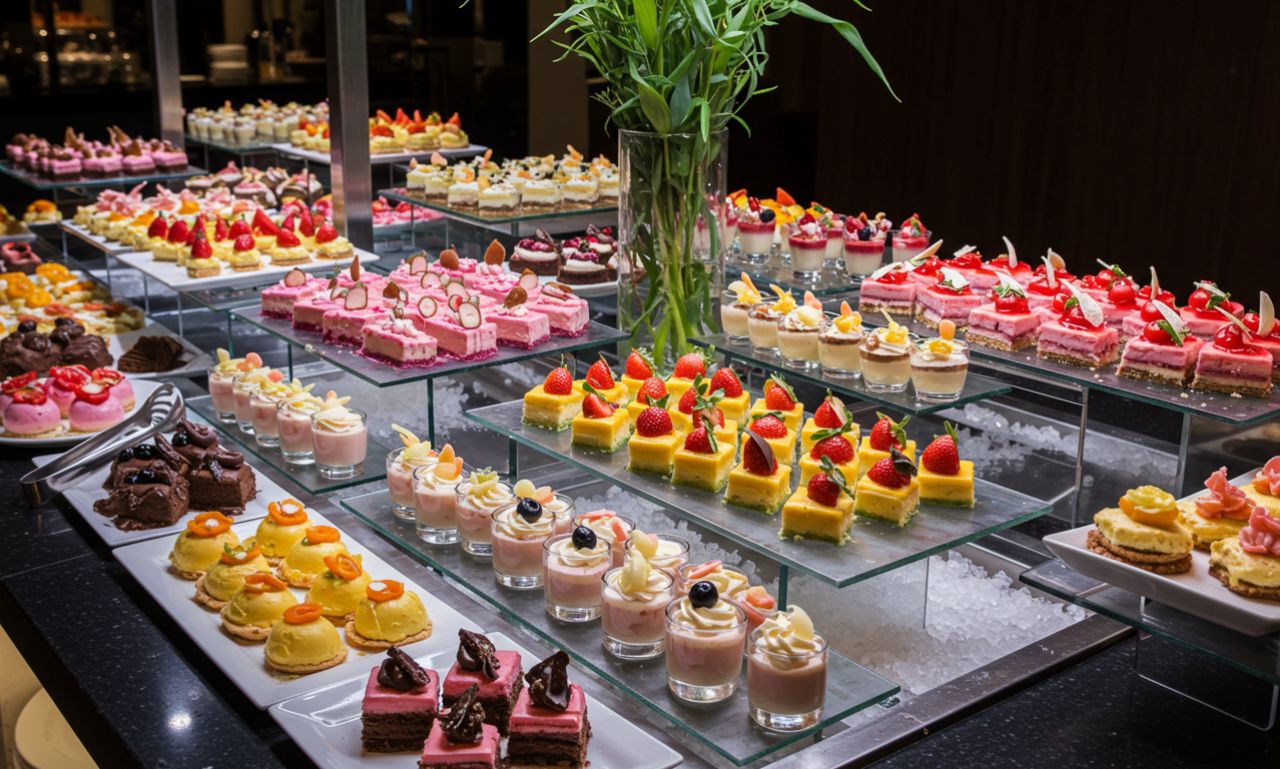
In the ever-evolving world of culinary trends, one concept is delighting event planners and guests alike: the dessert buffer. A dessert buffer is more than just a table full of sweets—it’s a strategic setup designed to enhance guest experience by offering a dedicated time or space for indulgence. Whether it’s a wedding, corporate event, or casual gathering, dessert buffers are quickly becoming a staple in the catering world.
In this article, we’ll explore what a dessert buffer is, its benefits, popular ideas, and why it’s a game-changer in the world of event planning.
What is a Dessert Buffer?
A dessert buffer refers to a designated time or area during an event where desserts are served apart from the main meal. Unlike a typical dessert table that appears after dinner, a dessert buffer is often a standalone station or period where guests are encouraged to treat themselves without interrupting the flow of the event.
This concept originated from the need to keep guests engaged and satisfied throughout longer events, especially when there are delays or transitions between activities. Think of it as a “snack intermission,” but with elegant, visually appealing desserts.
Why Dessert Buffers Are Gaining Popularity
1. Enhances Guest Experience
A well-timed dessert buffer keeps guests happy and satisfied. Long events can sometimes create hunger gaps, especially if the main course and dessert are separated by speeches or entertainment. The dessert buffer eliminates this issue by offering sweet refreshments without making guests wait too long.
2. Adds Visual Appeal to Events
Dessert buffers are often arranged with colorful pastries, themed cakes, cupcakes, cookies, and candy jars. This makes them not only functional but also decorative. A well-curated dessert buffer can act as a centerpiece and conversation starter.
3. Encourages Social Interaction
Food naturally brings people together, and the dessert buffer provides a casual space for guests to mingle, chat, and take pictures. Unlike a formal sit-down meal, a dessert buffer allows for relaxed movement and interaction.
Ideal Occasions to Feature a Dessert Buffer
While a dessert buffer can be suitable for nearly any event, certain occasions benefit more from this concept:
-
Weddings: Offer a mid-reception dessert buffer while guests wait for photos or during the cocktail hour.
-
Corporate Events: Use a dessert buffer during breaks to keep attendees energized and engaged.
-
Birthday Parties: Great for kids and adults alike, especially if the main food isn’t enough to satisfy sweet cravings.
-
Holiday Gatherings: Add a festive dessert buffer with seasonal favorites like gingerbread cookies, peppermint bark, and mini pies.
Creative Dessert Buffer Ideas
1. Themed Dessert Buffers
Tie your dessert buffer into the event theme. For example, a tropical-themed party might feature coconut macaroons, pineapple upside-down cake, and mango sorbet. For a winter wedding, opt for hot chocolate, mini donuts, and snowflake cookies.
2. DIY Dessert Stations
Interactive elements like a DIY cupcake decorating bar or a make-your-own sundae station elevate the dessert buffer experience. Guests love customization and hands-on fun.
3. Health-Conscious Buffers
Cater to all dietary preferences by offering gluten-free, vegan, or keto-friendly desserts. Think almond flour brownies, fruit skewers with yogurt dip, or chia seed pudding cups.
Dessert Buffer vs. Traditional Dessert Tables
While both offer sweet treats, the dessert buffer differs in intent and impact. Traditional dessert tables are typically brought out after dinner and might be limited in selection., however, are often set up earlier and maintained throughout the event.
Additionally, the buffer concept is more interactive and engaging. Guests can revisit the station, and it usually includes a broader variety of choices, appealing to a wider range of tastes.
Setting Up the Perfect Dessert Buffer
Here are some key tips for creating an unforgettable dessert buffer:
-
Location Matters: Place the dessert buffe in an accessible area, but not too close to the entrance or exit.
-
Balance in Selection: Offer a mix of rich, light, and fruity desserts to cater to different preferences.
-
Refill Strategy: Assign staff or friends to replenish the buffet periodically, keeping everything fresh and full.
-
Allergen Awareness: Label desserts clearly for allergens such as nuts, dairy, and gluten.
The Psychology Behind the Dessert Buffer
Research in event planning shows that unexpected treats significantly boost guest satisfaction. The dessert bu creates a small moment of joy, often when guests least expect it. This breaks the monotony and injects energy into the room, leaving a lasting positive impression.
Additionally, the abundance and variety offered in a tap into the psychology of choice, giving guests a sense of control and delight.
Dessert Buffer Trends in 2025
As of 2025, are evolving with new trends:
-
Miniature Portions: Bite-sized desserts allow guests to sample multiple items without feeling overindulgent.
-
Global Flavors: Incorporating international sweets like French macarons, Turkish delight, or Japanese mochi.
-
Eco-Friendly Buffers: Using compostable plates, edible cutlery, and locally-sourced ingredients to appeal to sustainability-minded guests.
Conclusion: Why the Dessert Buffer is Here to Stay
The isn’t just a passing trend—it’s a smart, guest-focused catering innovation that enhances the entire event experience. From visual appeal and interactivity to variety and convenience, it offers everything a modern gathering needs.
Whether you’re an event planner, a couple planning a wedding, or a business organizing a corporate retreat, consider the sweet impact a can bring. It’s the small details—like an accessible and delicious dessert station—that make big memories.


Fintechzoom .io: Revolutionizing the Financial Technology Landscape

Fintechzoom.com Forex Market: A Comprehensive Guide to Smarter Currency Trading

Nhentai.nef :You Need to Know About This Online Platform

Duaction: The Science Behind Dual Action Mechanisms

Tasyyblack: Elevate Your Cooking with This Versatile Ingredient

Sodiceram: Innovation in Ceramic Technology
-
 Blog11 months ago
Duaction: The Science Behind Dual Action Mechanisms
-
 Blog11 months ago
Tasyyblack: Elevate Your Cooking with This Versatile Ingredient
-
 Blog11 months ago
Sodiceram: Innovation in Ceramic Technology
-

 Fashion10 months ago
Exhentaime: The Art of Transcending Time and Space
-

 Business10 months ago
Make1M.com: Your Ultimate Guide to Online Income Success
-

 Music11 months ago
Frans Ceo – Never Love Again
-

 Business10 months ago
Dihward : Exploring the Intriguing World of Dihward
-

 Business10 months ago
LittleMinaxo Transforms Everyday Moments into Captivating Stories